
Breakout Sessions
Check back for updates on our other outstanding speakers and sessions.*
Best Practices in Rooting Out Fraud, Waste, and Abuse in Medicare and Medicaid
Fraud, waste, and abuse in Medicare and Medicaid cost U.S. taxpayers billions of dollars each year and undermine the integrity of programs that millions of Americans rely on for essential health care. This discussion brings together APG members and the federal policy team to examine effective strategies for detecting, preventing, and addressing improper activities within these programs.
Participants will explore best practices in program integrity that help identify suspicious billing patterns and reduce improper payments, as well as learn about APG's advocacy with policymakers to address needed tools and support. Attendees will gain actionable insights into building more resilient compliance frameworks while balancing program access, efficiency, and patient protection.

Bartley Bryt, MD
CMO, Privia Health
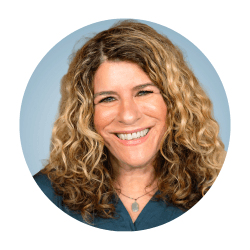
Melanie Matthews
CEO, PSW and APG Board member
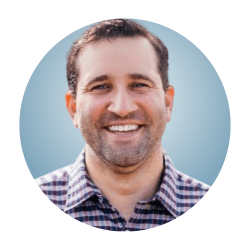
Eric Becker
VP, ACO REACH & Medicare Innovation Model Strategies Agilon

Dan Reck, FSA, MAAA
Director of Actuarial Services and Medical Economics, Physicians of Southwest Washington
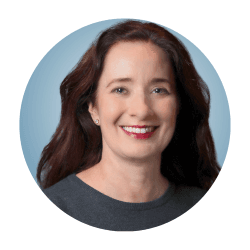
Jennifer Podulka, MPAff
Senior Vice President of Federal Policy, APG (Moderator)
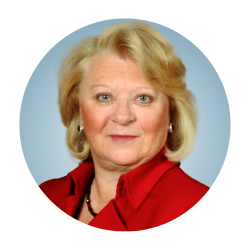
Valinda Rutledge
Executive Vice President, Policy & Advocacy, APG (Moderator)
How To Govern Health AI To Ensure Clinical Excellence and Patients’ Trust
The rapid adoption of AI solutions raises multiple questions for physician groups beyond whether the solutions achieve their advertised goals. How should groups define the different operational roles between AI vendors and clinicians? Who ultimately is responsible for AI-based decisions, potential failures, and the resulting risks posed to both patients and physician organizations? How should these organizations communicate to patients about AI’s role in the provision of care, particularly amid evolving state regulations on this topic? This session will focus on creating governance structures that address these questions and build a “high trust” environment around adoption and use of AI tools.

Boon Chen, SVP
Engineering, Astrana Health

Monique Diaz, MD, MSc
Regional VP and Chief Medical Informatics Officer, CommonSpirit Health

Hemant Gupta, JD
Attorney, Epstein, Becker & Green, P.C.

Eric Lee, MD
Medical Director of Clinical Informatics, AltaMed
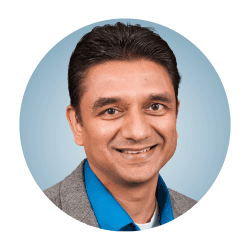
Manish Naik, MD
Chief Medical Officer and Chief Medical Information Officer, Austin Regional Clinic (Moderator)
When AI Systems Are Their Own “Agents”: Benefits And Risks For Physician Groups
A relatively recent development in AI is creation of “agentic” systems designed to act autonomously as "agents" to achieve specific goals with minimal human intervention. Unlike traditional AI, which typically follows directions or prompts, agentic AI can perceive its environment, reason through complex problems, and create and execute multi-step plans – for example, by searching an electronic record to understand patients’ conditions, then surfacing real-world evidence to support treatment decisions before a clinician prompts the system to do so. In this session, panelists will discuss potential new applications for agentic AI in care delivery, especially in clinical and other processes prone to inefficiencies and bottlenecks. They will also discuss creating needed guardrails around these agentic systems – for example, to block harmful or inaccurate information before the systems display it to clinical or other users.
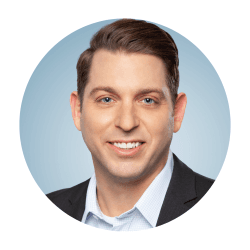
Rick Goddard, SVP
Market Alliances, Lumeris
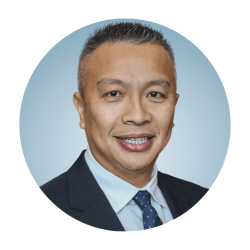
Khang Nguyễn, MD
Assistant Executive Medical Director, Care Transformation, Southern California Permanente Medical Group

James Schultz, MD
Chief Medical Officer, Neighborhood Health Center

Karandeep Singh, MD, MMSc
Chief Health AI Officer, Joan and Irwin Jacobs Endowed Chair in Digital Health Innovation, University of California, San Diego
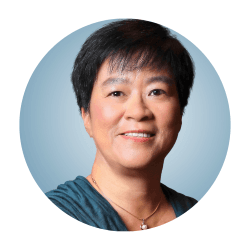
Susan Huang, MD, MS
Chief Medical Officer, APG (Moderator)
Boosting Value-Based Care Amid Statewide Change Through The Rural Health Transformation Program
The federal Rural Health Transformation Program (RHTP) was created under the 2025 reconciliation law to blunt the effects of large, planned cuts in federal Medicaid spending by channeling $50 billion to states from 2026-2030. The resulting plans that all 50 states submitted to receive the first tranche of funding make clear that statewide changes – including among providers and systems located well outside rural areas – will be a key component of these plans to improve access, quality, and population health outcomes. Multiple states – including California, Utah, South Dakota, Minnesota, and others -- are also planning to shape new value-based care and payment approaches to help support care innovations in care delivery in rural areas. In this session, speakers involved in multiple states’ RHTP programs will discuss the opportunities for new statewide partnerships among urban and rural providers, and the adoption of value-based care and payment models, to foster real change.
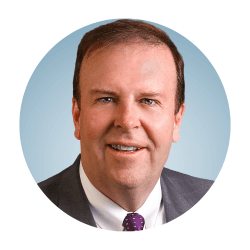
Scott Barlow
Executive Director, One Utah Health Collaborative
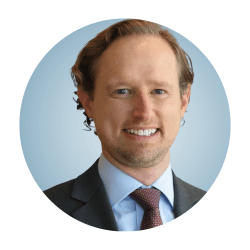
Eric Cragun
Executive Director, Intermountain Health
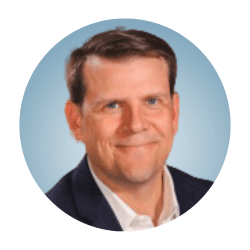
David Dirks
Vice President of Strategy, Intermountain Health
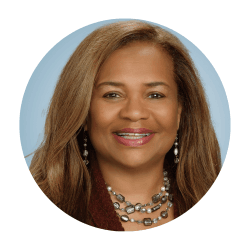
Peggy Wheeler
Senior Advisor, Rural Health Transformation Program, California Department of Health Care Access and Information (HCAI)
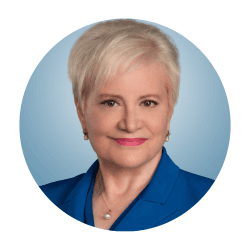
Susan Dentzer, MS
President and CEO, APG (Moderator)
Engaging More Specialists In Value-Based Care
According to a McKinsey analysis, total costs of care for patients seeing six types of specialists – in orthopedics, oncology, cardiology, women’s health, behavioral health, and nephrology – accounted for 68 percent of total Medicare and commercial spending in 2023, growing 35 percent faster than all other spending in those categories. Estimates are that applying value-based payment strategies to specialty care could save $100 billion or more per year. In this session, APG will officially launch its new Specialty Advocacy Coalition, which will encompass the multiple avenues for bringing specialists into value-based payment arrangements. Speakers’ presentations will focus on the CMS Innovation Center’s strategy for specialty care and payment models; specific models in areas such as kidney care and oncology; and a new Optum technology-enabled system to help primary care providers refer patients to the most value-oriented specialists, coupled with incentives for those specialists to participate.
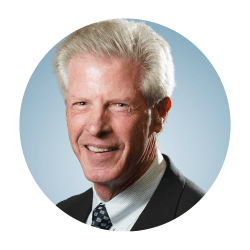
Ken Cohen, MD
Chief Medical Officer, Optum Health
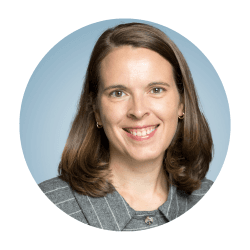
Pamela Pelizzari
Principal, Milliman
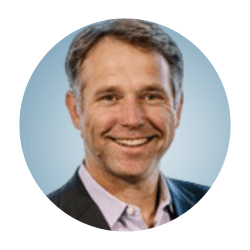
Misha Palecek
Chief Transformation Officer, DaVita Kidney Care
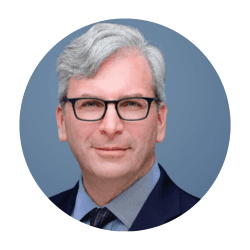
Yale Podnos, MD, MPH
Chief Medical Officer, The Oncology Institute
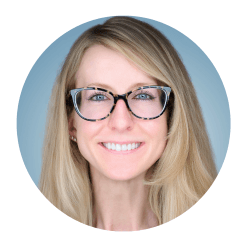
Sacha Wolf, MS
Technical Advisor, Center for Medicare and Medicaid Innovation, Centers for Medicare & Medicaid Services, Department of Health and Human Services
Jennifer Podulka, MPAff
Senior Vice President of Federal Policy, APG (Moderator)
Valinda Rutledge
Executive Vice President, Policy & Advocacy, APG (Moderator)